


Relocation & Logistics Specialists
At Arrow Moving & Storage, we understand the importance of a smooth and efficient move for your business. Our relocation and logistics specialists are highly trained and experienced in handling all aspects of commercial moves. From planning and packing to transportation and delivery, our team will ensure that your move is carried out seamlessly with minimal disruption to your operations.
Commercial Moving & Installation Services
Logistics Solutions
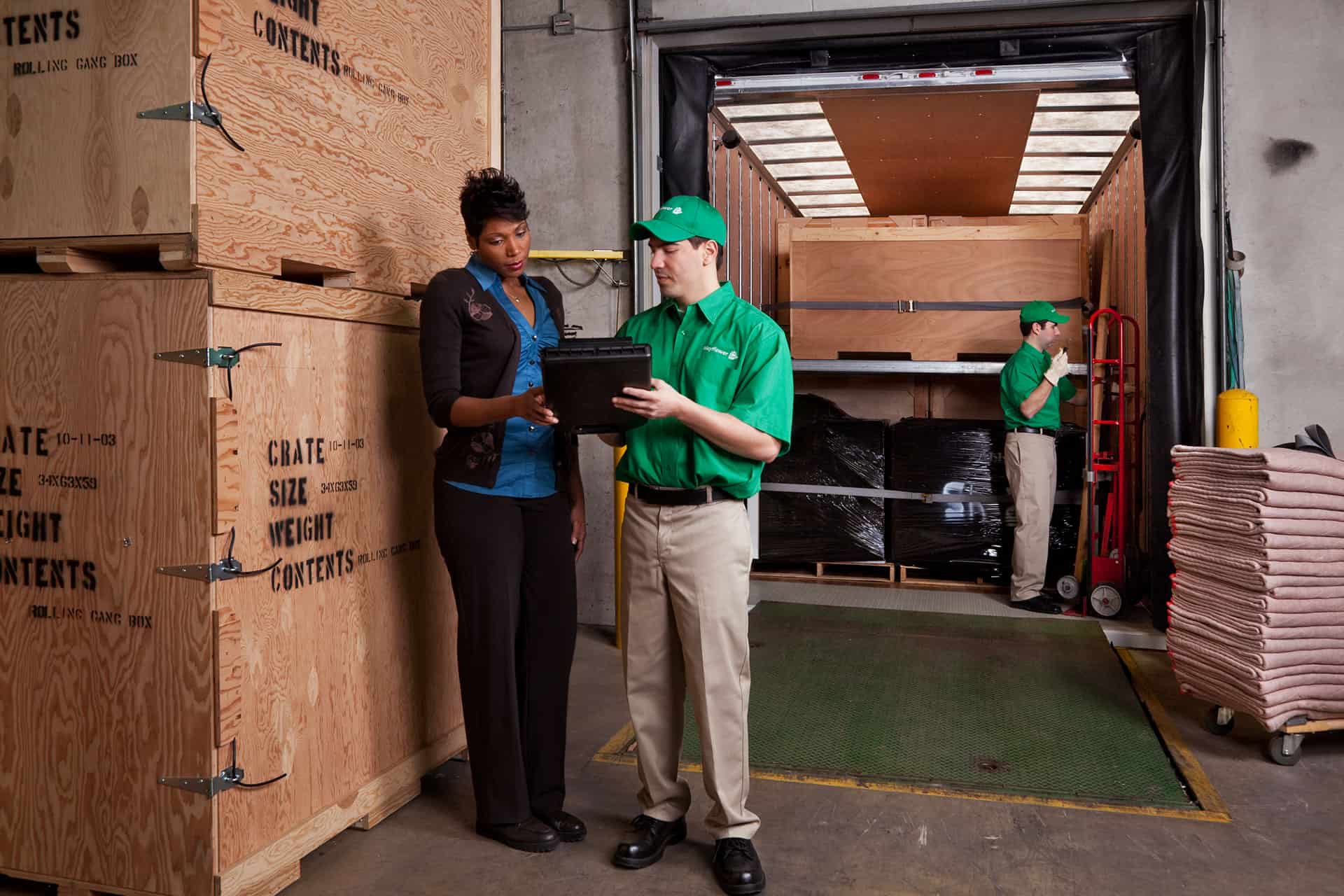
Arrow Moving & Storage offers comprehensive logistics solutions for businesses, including warehousing and distribution services. Our state-of-the-art facilities are equipped with the latest technology to ensure secure storage and efficient handling of your merchandise. Our team will work with you to develop a customized plan that meets your specific business needs.


Fill out the quote request contact form today!
Commercial Move FAQs
A commercial move is the relocation of a business from one location to another, including office furniture, equipment, inventory, technology systems, and sensitive files. Unlike residential moves, commercial relocations focus on minimizing business downtime and maintaining operational continuity.
Commercial moving costs vary widely: small offices (under 1,500 sq ft) cost $1,500-$5,000; medium offices (up to 5,000 sq ft) cost $5,000-$15,000; large facilities or warehouses can cost $15,000-$100,000+. Costs depend on office size, distance, equipment complexity, and additional services needed.
We serve a wide range of businesses throughout Cheyenne and southeastern Wyoming, including office relocations, retail stores, warehouses, medical facilities, government offices, energy sector companies, educational institutions, and corporate headquarters. Each type has unique requirements—from IT infrastructure to specialized equipment to inventory management.
Start planning as early as possible—ideally 2-6 months in advance depending on company size. Small offices need at least 2-4 weeks notice, while large facilities or complex moves require 6+ months. Early planning ensures availability and proper coordination.
Services include project management, packing and unpacking, furniture disassembly and reassembly, IT equipment relocation, secure document handling, storage solutions, furniture installation, workspace configuration, and after-hours/weekend moving to minimize disruption.
Yes, most commercial moves occur during evenings, weekends, or holidays to minimize disruption to business operations. Many commercial movers don’t charge premiums for after-hours moves (except official holidays) since most business relocations require this timing.
Professional commercial movers coordinate with your IT team to safely disconnect, transport, and reinstall servers, computers, and network equipment. They use specialized packing and security measures to protect data. Consider having your IT staff supervise critical technology transitions.
You’re responsible for coordinating with service providers to ensure phone and internet are active at your new location before move-in. Schedule installation well in advance and confirm the activation date aligns with your moving timeline.
Yes, reputable commercial movers carry comprehensive insurance including general liability and workers compensation. Basic coverage is typically included, with additional protection available. Always verify insurance certificates and ask about coverage limits.
Hazardous materials, flammable liquids, explosives, perishables, and items prohibited by law cannot be transported. Handle confidential documents, sensitive financial records, and irreplaceable items separately through secure methods.
Minimize downtime through careful planning, phased moves, after-hours relocation, pre-configuration of the new space, and coordinating with all departments. The new office should be as functional as possible before employees arrive—utilities on, furniture positioned, IT operational.
This varies by company preference. Many businesses have employees pack personal items while movers handle furniture and equipment. Provide clear instructions on what employees should pack, label boxes by department and destination, and what should remain for movers.
Hiring professional commercial movers is strongly recommended. They have expertise, proper equipment, insurance, and can work efficiently without risking employee injuries or workers compensation claims. This allows your team to focus on business continuity rather than physical labor.
Commercial movers have experience with specialized equipment like servers, medical devices, laboratory instruments, manufacturing machinery, and retail fixtures. They use proper tools, custom crating when needed, and coordination with technical staff for safe disconnection and reinstallation.
Estimates should include labor, transportation, basic insurance, and specified services. Ask about potential additional costs like parking permits, elevator fees, stairs, long carries, after-hours premiums, storage, and specialty item handling. Request a detailed, written estimate.